
The Hu Lab integrates immunology, genetics, biochemistry, chemical biology, and genomics to understand how T cells are programmed to maintain immune tolerance in health and disease. Our work currently centers on four exciting and highly connected research areas:
1. Reprogramming Tregs for cancer immunotherapy
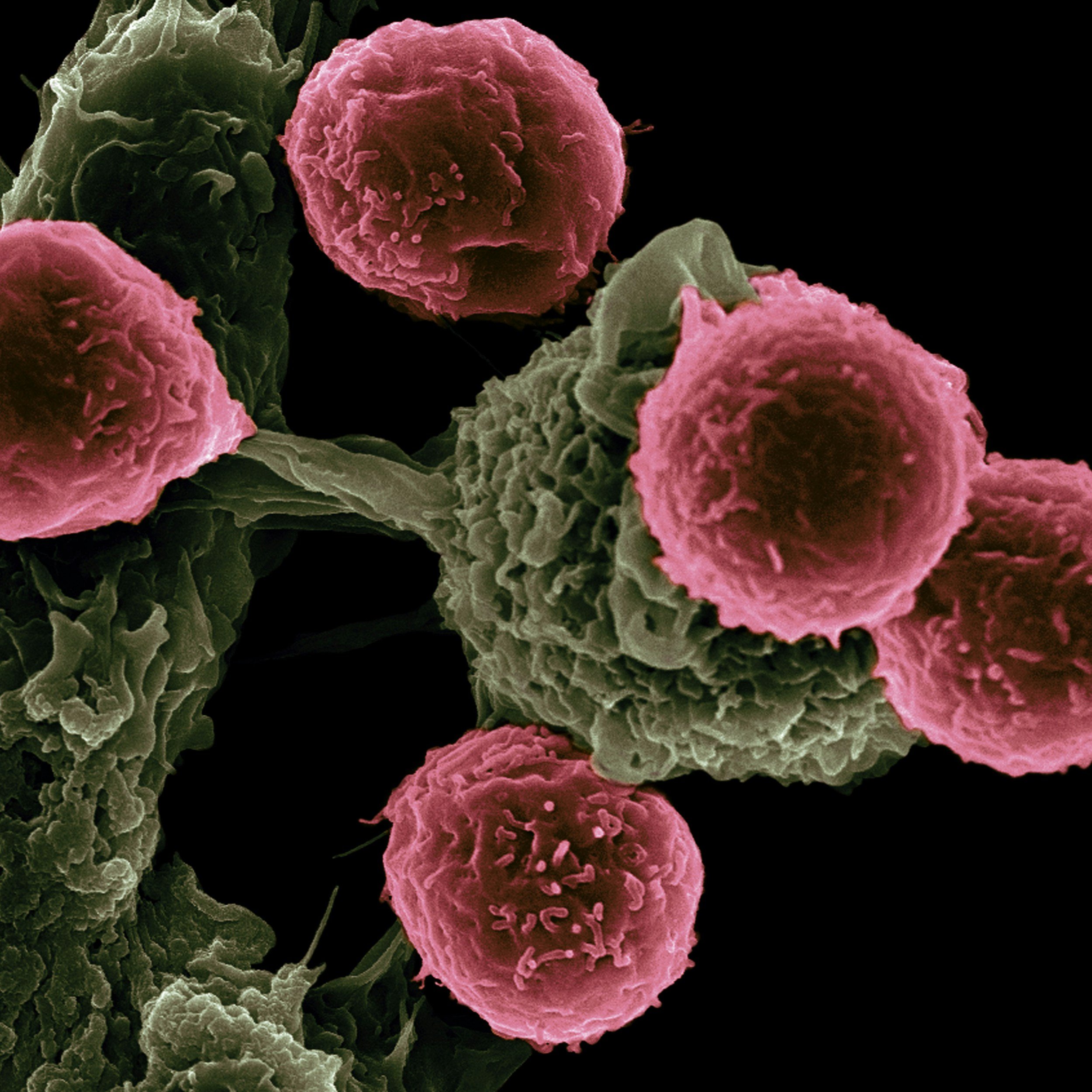
Cancer can exploit regulatory T cells to suppress anti-tumor immunity and protect itself from immune attack. While immunotherapy has revolutionized cancer treatment, many patients still do not respond, and some experience serious immune-related side effects.
Our lab is developing new cancer immunotherapy strategies that selectively target tumor-infiltrating Treg cells using targeted protein degradation and other chemical biology approaches. By dismantling the immunosuppressive tumor microenvironment, we aim to unleash multiple arms of anti-tumor immunity and expand the reach of immunotherapy across diverse cancer types.
3. Decoding immune tolerance in specialized organs
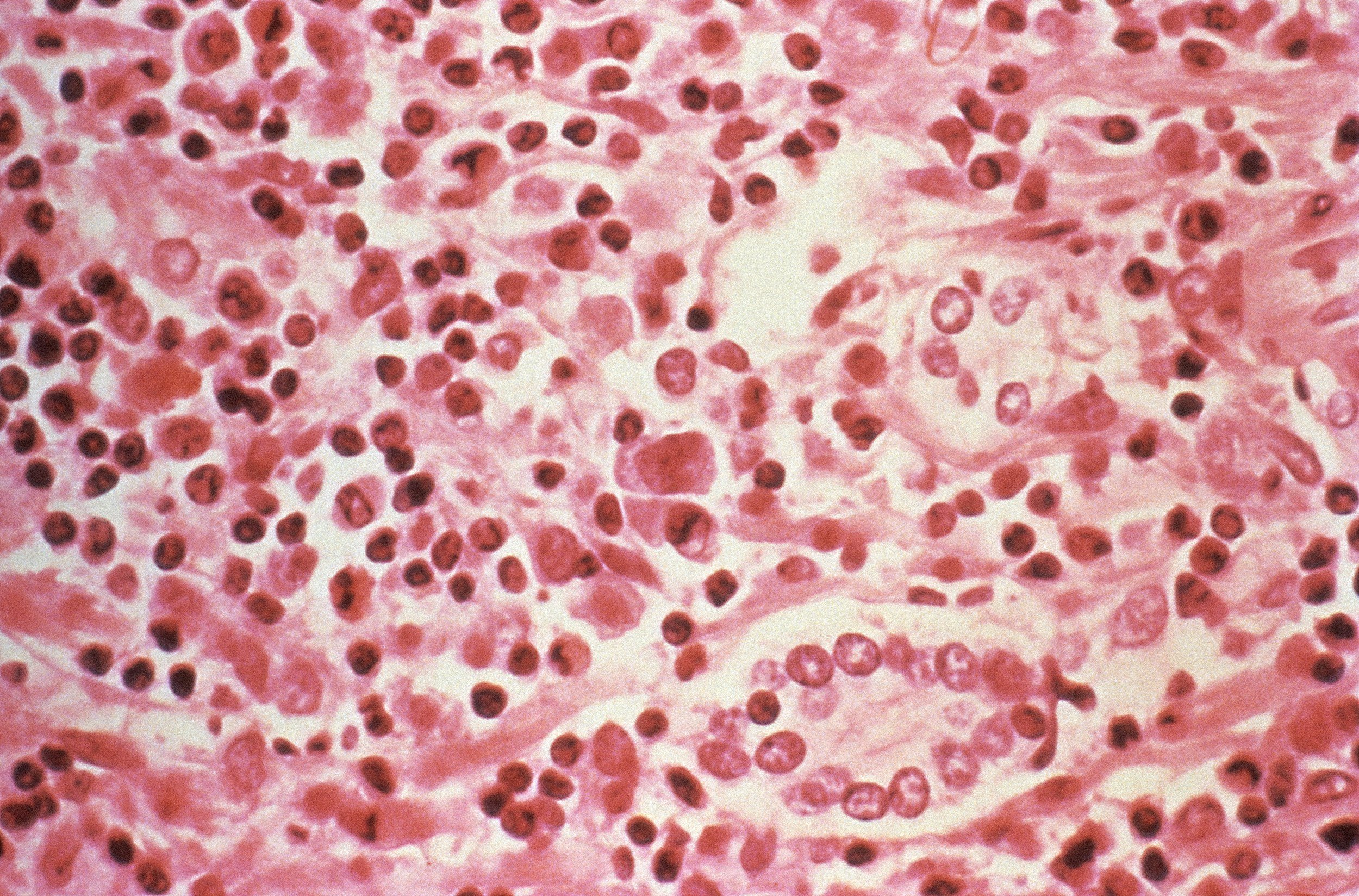
Some organs—such as the liver and uterus—have a remarkable ability to promote immune tolerance. These “immune-privileged” tissues can suppress harmful immune responses while maintaining tissue function, but the mechanisms behind this are still poorly understood.
We study how specialized antigen-presenting cells, metabolic pathways, and local tissue environments shape T cell responses in these organs to promote peripheral regulatory T cell (pTreg) differentiation and cytotoxic T cell anergy. By understanding tissue-specific tolerance in the liver and uterus, we hope to uncover new insights relevant to dietary tolerance, liver cancer, preterm birth, preeclampsia, endometriosis, and other reproductive disorders.
2. Harnessing Tregs to treat autoimmune disease
Autoimmune diseases arise when the immune system turns against the body’s own tissues. Regulatory T cells are essential for preventing this, but in many autoimmune lesions, Tregs still express the master regulator FOXP3 and yet fail to function properly. Why this happens remains a major unanswered question in immunology.
We are investigating the Foxp3-independent transcriptional and signaling mechanisms that shape central and peripheral tolerance, with the goal of understanding why Tregs break down in disease. This work may help lay the foundation for better Treg-based therapies for autoimmune disorders such as Crohn’s disease, ulcerative colitis, and multiple sclerosis.
4. Building the next generation of tools for immunology
Immunology has always advanced hand-in-hand with new technologies, and we are passionate about building the next generation of tools to accelerate discovery.
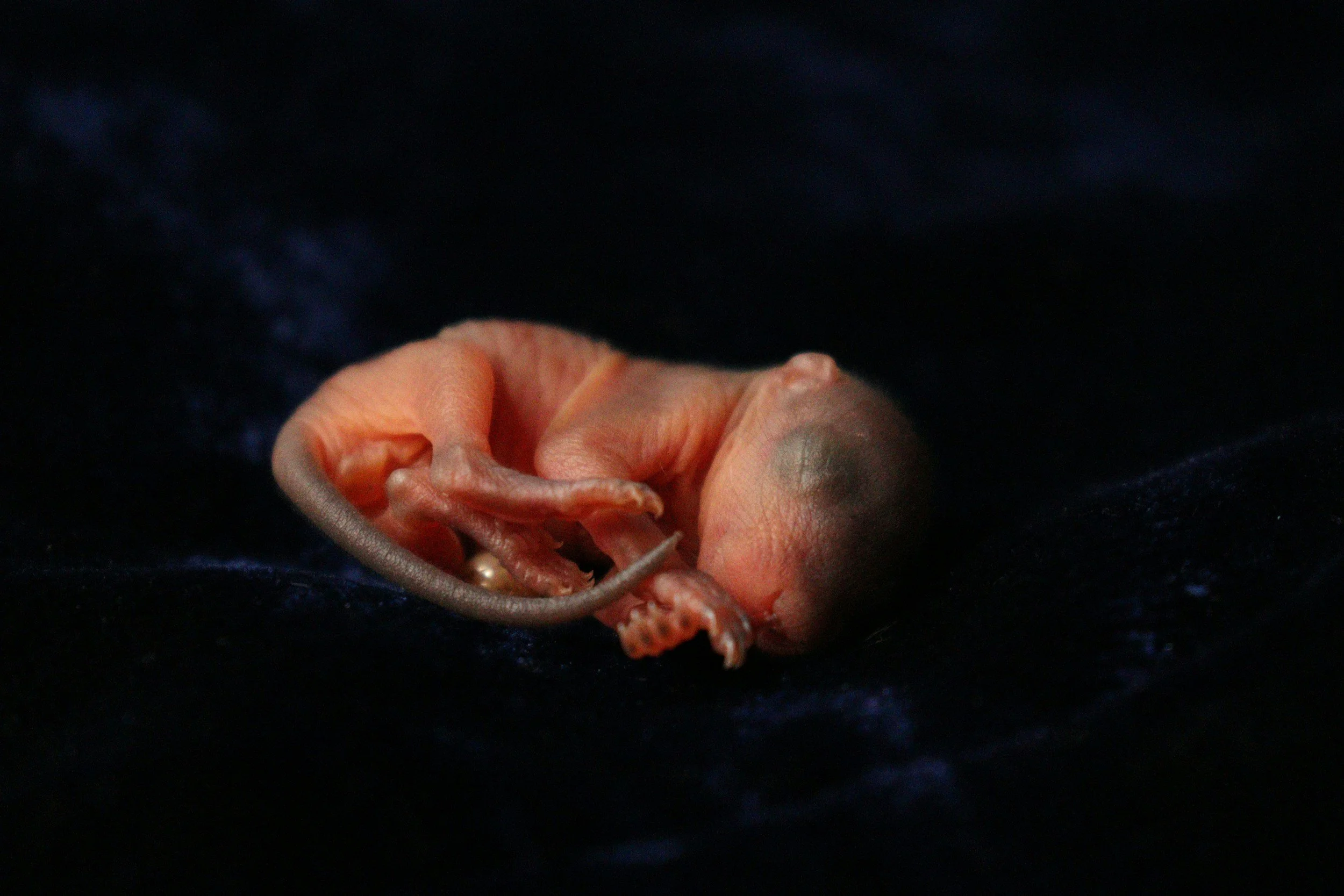
Our lab develops and applies cutting-edge approaches including gene editing, synthetic biology, genomics, and proprietary mouse models to study the immune system with greater speed, precision, and control. We are especially excited about creating tools that make it easier to ask—and answer—big questions in immunology.